Produced Water
What Is Produced Water, and Why Can't It Just Be Released?
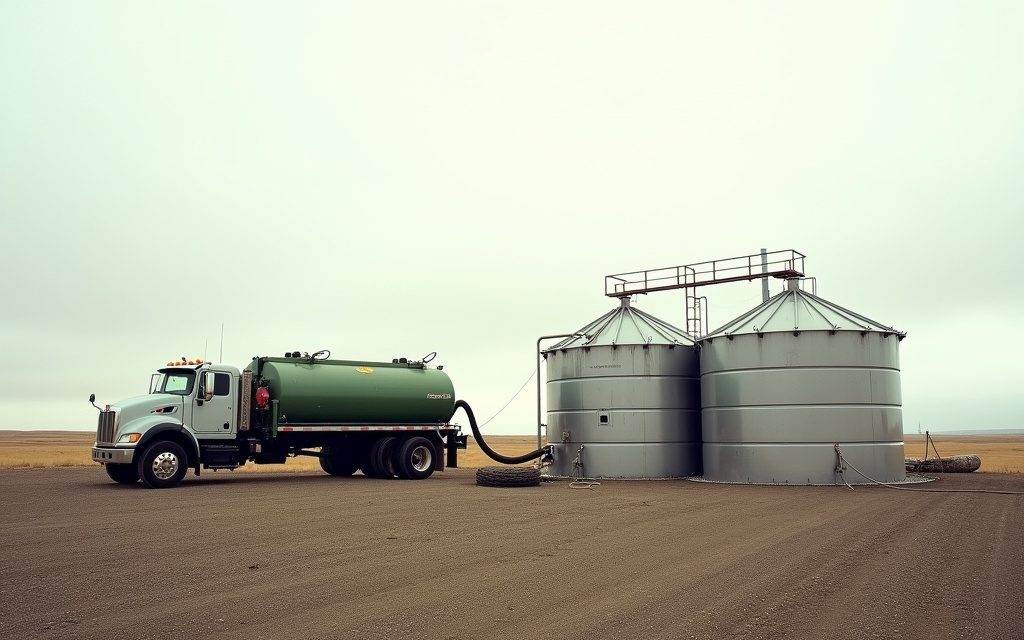
Where the water comes up from, what is dissolved in it, and the specific reasons it cannot be put on the ground or into a creek.

Field Operations Writer & Founding Editor · Produced water handling, Disposal facility operations, Tank storage, Waste oil collection, Field practice
I worked production in southern Alberta for eighteen years before I started writing about it. Most of that was water: separators, skim tanks, injection pumps, and a great deal of time spent either waiting at a disposal facility or arguing with one.
What got me writing was noticing how much of what new operators need to know is not written down anywhere useful. It gets passed on in trucks and at the gate, which works until the person who knows it retires. Meanwhile the written material is either a vendor brochure or a directive, and neither tells a twenty-three-year-old why the facility just turned their load away.
So I write the field half of this site: what happens at receiving, why loads fail, how tank storage goes wrong, what a walk-around should actually look at. Priya writes the regulatory half and edits mine, which is the right way round, because my instinct is to describe what operators do and hers is to check what they are required to do. Those are not always the same thing and the gap is worth naming.
One thing I will keep repeating: segregation. Nearly every expensive waste problem I saw in eighteen years began with two things going into one container. It costs nothing to prevent and a great deal to fix.
I should be clear that I am not a professional engineer. Nothing I write is engineering advice, and where a decision needs a P.Eng., it needs a P.Eng.

Where the water comes up from, what is dissolved in it, and the specific reasons it cannot be put on the ground or into a creek.
Water-oil ratios over a well's life, how disposal pricing is actually structured, and the point at which water handling ends a well's economic life.
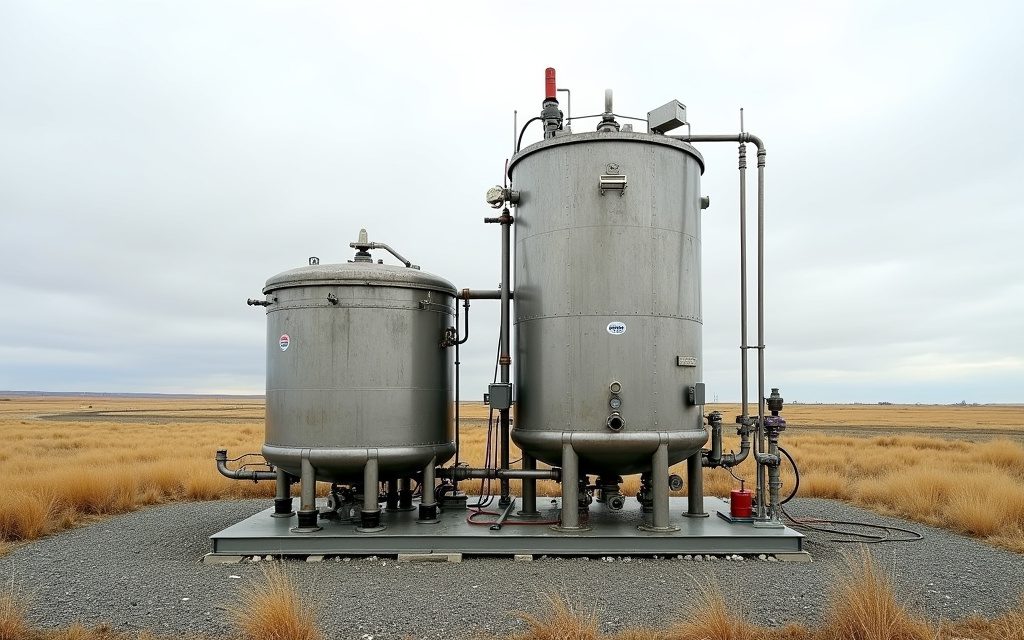
Separation, skimming, flotation, filtration and chemical treatment: what gets installed on real leases, and which technologies get talked about more than they get built.
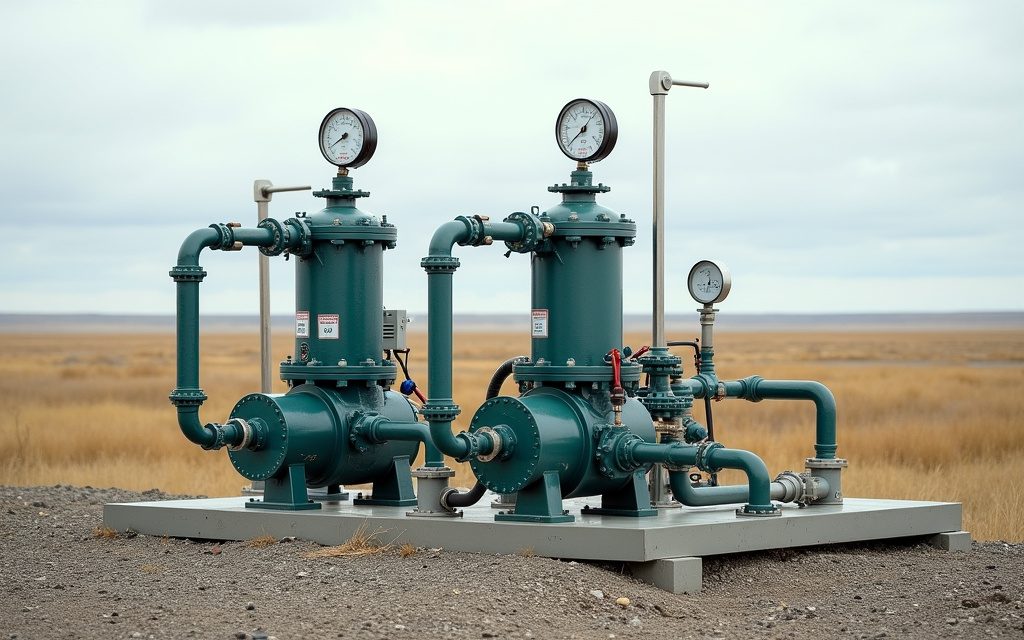
Both push water down a wellbore. One is sweeping oil toward a producer, the other is getting rid of a waste stream, and they are licensed and reported differently.
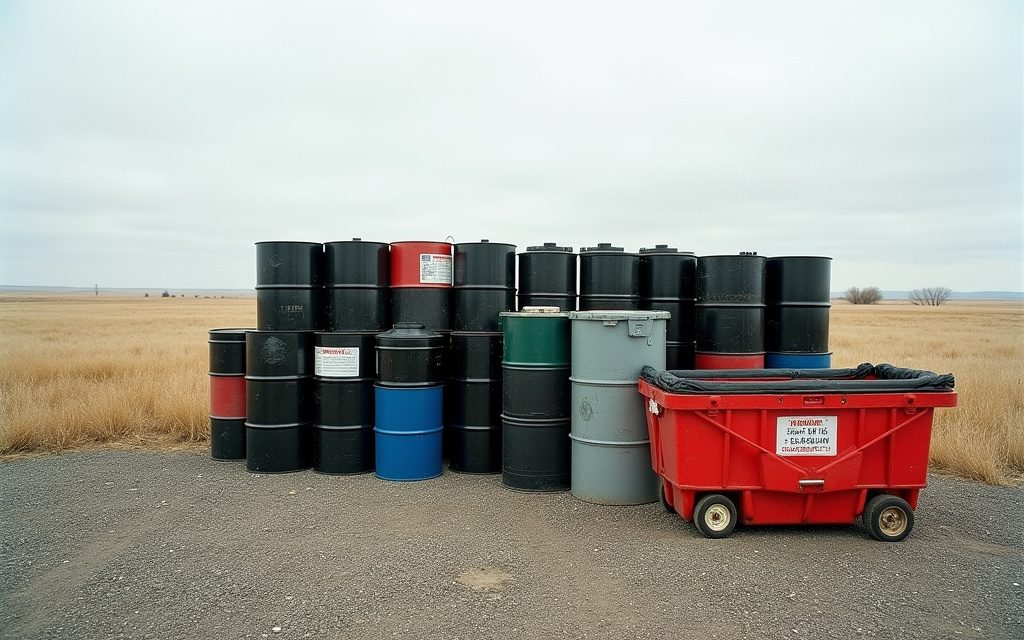
What an approved collector will and will not take, why mixing streams is the expensive mistake, and how to set up a lease so collection is straightforward.
Tank types, how containment is sized and built, and the walk-around inspection that catches the problems that turn into reportable releases.