Disposal Wells
Disposal Well Classes in Alberta, and Why They Matter at the Gate
What the well classes mean, what each may legally receive, and why the class printed on a facility's approval decides whether your load gets taken.

Guides
How oilfield disposal and injection wells work, how Alberta classifies them, and the difference between disposal and enhanced recovery injection.
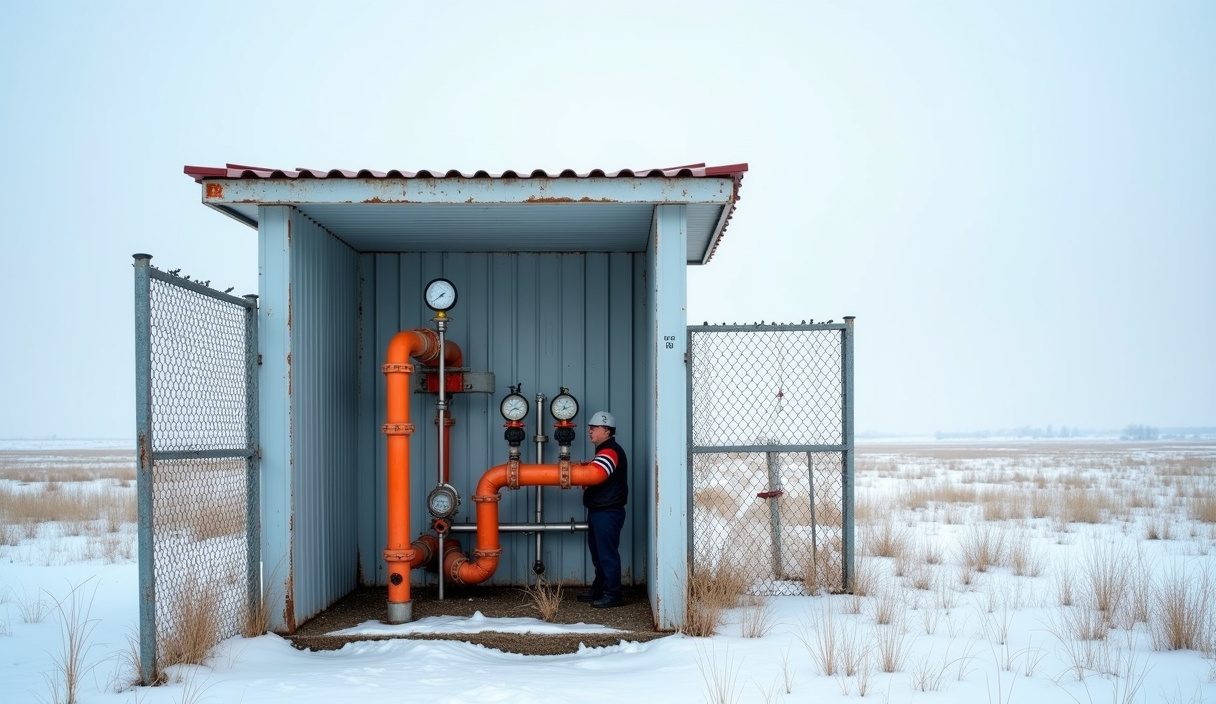
Most produced water in Alberta ends up back underground, injected into a formation deep below any usable groundwater. That is what a disposal well is: a well whose purpose is to receive fluid rather than produce it. It is a deceptively simple idea that carries a great deal of engineering and regulation behind it.
The critical distinction, and the one that causes the most confusion, is between disposal and injection for enhanced recovery. Both push water down a wellbore. One is getting rid of a waste stream; the other is sweeping oil toward a producing well. They are licensed differently, reported differently, and the economics are entirely different.
The disposal well classification guide explains how wells are categorised by what they may receive, why a facility licensed for one class cannot simply accept another class of load, and what that means at the gate when you arrive with a vacuum truck.
The injection versus disposal guide covers the distinction above in detail, including why a producer might prefer one over the other and how the two show up differently in reporting.
The Alberta regulatory guide covers the framework: licensing, approvals, the containment and monitoring expectations, and the reporting obligations that follow a load from the truck to the injection record.
Requirements in this area change, and they change more often than the average operator notices. Every guide in this section carries the date it was last reviewed, and states which directive a requirement comes from so that you can check the current version yourself. Do that before you rely on anything here for a compliance decision.
What the well classes mean, what each may legally receive, and why the class printed on a facility's approval decides whether your load gets taken.
Both push water down a wellbore. One is sweeping oil toward a producer, the other is getting rid of a waste stream, and they are licensed and reported differently.
Which directives apply to what, how the paperwork chain works from manifest to injection record, and where operators most often come unstuck.