Produced Water
What Is Produced Water, and Why Can't It Just Be Released?
Where the water comes up from, what is dissolved in it, and the specific reasons it cannot be put on the ground or into a creek.

Guides
What produced water is, how much of it a well makes, what is dissolved in it, what it costs to handle, and which treatment methods are actually used.
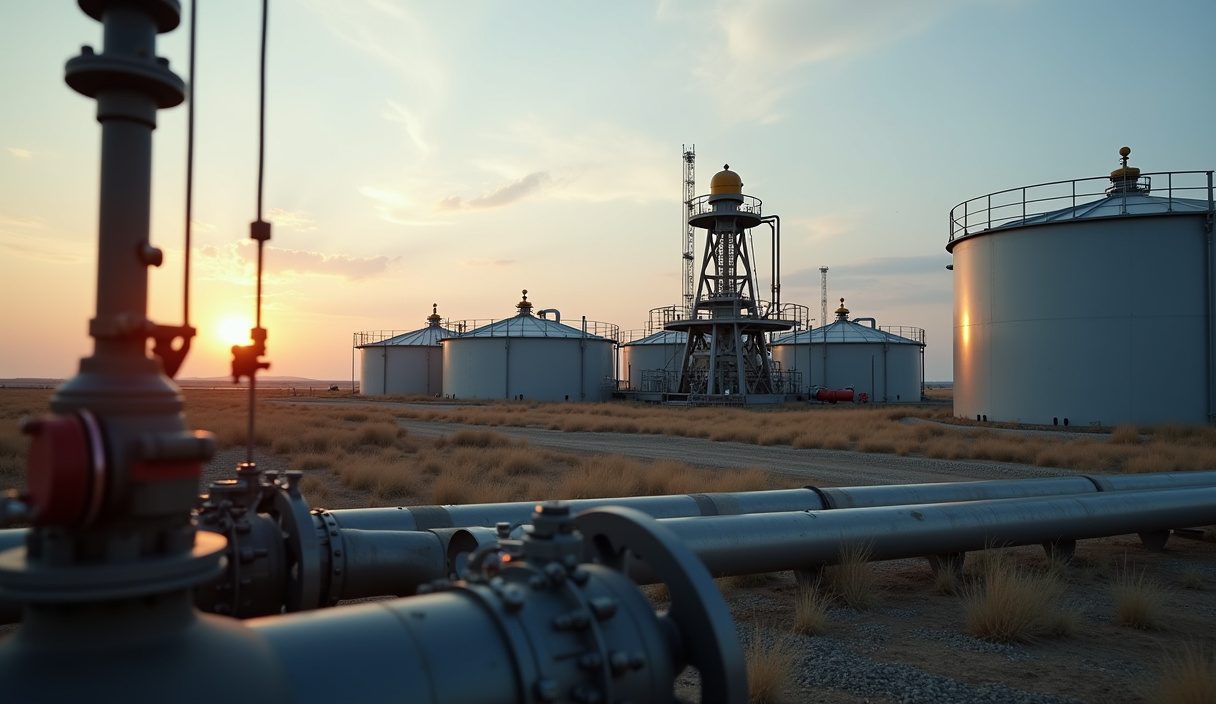
Produced water is the single largest waste stream in oil and gas production, by a very wide margin. A mature Alberta oil well can bring up five, ten or even twenty barrels of water for every barrel of oil, and that ratio climbs steadily over a well's life. Handling that water is one of the larger ongoing costs of running a producing property, and for many marginal wells it is the cost that eventually decides when the well is abandoned.
This section covers the water itself: where it comes from, what is dissolved in it, how much of it there is, and what can be done with it short of disposal.
Start with what produced water is, which explains the difference between formation water and injected water returning to surface, and why the chemistry makes surface discharge a non-starter. The volumes and costs guide covers water-oil ratios, how they change over a well's life, and how disposal costs are actually structured.
The treatment guide then looks at what can be done with the water: the separation and skimming that happens at nearly every battery, the filtration and chemical treatment used where water is to be reinjected, and the more elaborate options that get discussed more often than they get installed.
Produced water is where a surprising amount of regulatory attention sits, because the failure modes are consequential. A tank that overflows, a flowline that leaks, an injection well that loses containment: each of those puts saline water into soil or shallow groundwater, and remediation is slow and expensive. Understanding the water is the first step to understanding why the rules around it are as prescriptive as they are.
Where the water comes up from, what is dissolved in it, and the specific reasons it cannot be put on the ground or into a creek.
Water-oil ratios over a well's life, how disposal pricing is actually structured, and the point at which water handling ends a well's economic life.
Separation, skimming, flotation, filtration and chemical treatment: what gets installed on real leases, and which technologies get talked about more than they get built.